


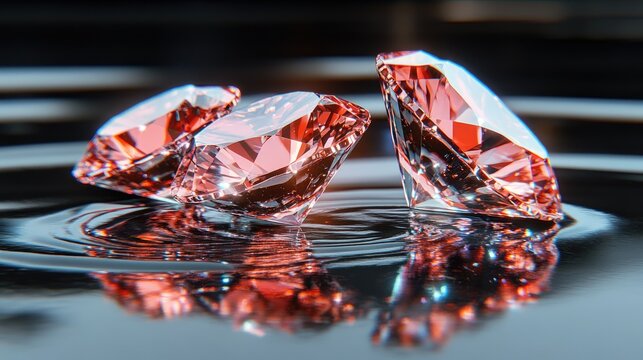
When it comes to selecting the perfect diamond, whether for an engagement ring, a piece of jewelry, or a special gift, understanding the 4Cs is essential. The 4Cs—Cut, Color, Clarity, and Carat Weight—are the primary factors that determine a diamond’s quality. With the rise of lab-grown diamonds, understanding how the 4Cs apply to these diamonds is just as important as it is for mined diamonds. In this article, we will break down the 4Cs lab diamonds and explain how each one affects the overall value and appearance of the stone.
The Importance of Cut in 4Cs Lab Diamonds
The cut is often regarded as the most important factor when evaluating the quality of a diamond, including 4Cs lab diamonds. A diamond’s cut determines how well it reflects light, which in turn affects its brilliance and sparkle. A well-cut lab-grown diamond will shine brightly, showcasing its full potential. Lab-grown diamonds are cut in much the same way as natural diamonds, using advanced technology to ensure precision and optimal light reflection.
While the 4Cs lab diamonds refer to the same basic cut grades—Excellent, Very Good, Good, Fair, and Poor—the difference lies in the methods used to create these diamonds. Lab-grown diamonds are crafted in controlled environments, so they can often be cut with greater precision than mined diamonds. This allows for a higher degree of symmetry and better light performance. When shopping for lab-grown diamonds, it’s essential to choose one with a high-quality cut to ensure that it maximizes its beauty and brilliance.
Color in 4Cs Lab Diamonds: What You Need to Know
Color is another key component of the 4Cs when it comes to lab-grown diamonds. Diamonds are graded on a scale from D (colorless) to Z (light yellow or brown), with the most valuable diamonds being those in the D to F range. The color grading of 4Cs lab diamonds follows the same standard as that of natural diamonds. While the vast majority of lab-grown diamonds fall within the near-colorless range, lab-grown diamonds can sometimes exhibit fewer color variations due to the controlled manufacturing process.
For those who prefer a more affordable option, a lab-grown diamond with a slightly lower color grade, such as G or H, may be a great choice. These diamonds still offer excellent visual appeal while offering a more budget-friendly price tag. When evaluating the color of 4Cs lab diamonds, it’s important to consider personal preferences, as some individuals may prefer the slightly warmer tones of diamonds in the G to J range, while others may prioritize the cool, icy appearance of diamonds with higher color grades.
Clarity in 4Cs Lab Diamonds: Why It Matters
Clarity is another important aspect of the 4Cs lab diamonds that should not be overlooked. A diamond’s clarity refers to the presence of any internal or external imperfections, known as inclusions and blemishes. The fewer the imperfections, the higher the clarity grade. The grading scale for clarity ranges from Flawless (no imperfections visible under magnification) to Included (inclusions and blemishes visible to the naked eye).
Lab-grown diamonds, thanks to the controlled environment in which they are created, tend to have fewer inclusions compared to mined diamonds. This makes 4Cs lab diamonds particularly attractive to consumers who are seeking flawless or near-flawless stones. However, it’s important to remember that many of the inclusions found in diamonds, even those graded as “Included,” are microscopic and not noticeable to the naked eye. When purchasing 4Cs lab diamonds, focusing on clarity can help ensure you find a diamond that meets your aesthetic preferences without paying extra for imperfections that aren’t visible in regular viewing.
Carat Weight in 4Cs Lab Diamonds: Size Matters
Carat weight is another critical factor when determining the overall value of 4Cs lab diamonds. Carat weight refers to the size of the diamond and is often used as an indicator of its value. The higher the carat weight, the larger the diamond. While larger diamonds tend to cost more, it’s important to remember that carat weight is just one part of the 4Cs grading system. A well-cut diamond with superior clarity and color may still have a higher value than a larger diamond with lower quality grades.
One of the advantages of lab-grown diamonds is that they can often be produced in larger sizes for a more affordable price compared to mined diamonds. This is due to the more efficient and controlled production process. If you’re looking for a larger diamond but want to keep the cost down, lab-grown diamonds offer the opportunity to get a bigger stone without compromising on quality. When choosing 4Cs lab diamonds, it’s essential to balance carat weight with the other three factors to ensure you find a diamond that suits your needs and budget.
How to Choose the Right 4Cs Lab Diamonds for Your Jewelry
Choosing the right 4Cs lab diamonds for your jewelry involves balancing each of the four factors according to your preferences and budget. When looking for an engagement ring, for example, the cut is crucial to ensure that the diamond will sparkle beautifully. If you’re working with a set budget, you may want to prioritize cut and clarity while opting for a diamond with a slightly lower color grade or carat weight to make the most of your investment.
Another important factor to consider is the setting of your jewelry. The setting can have a significant impact on how the 4Cs lab diamonds are displayed. For example, a high-quality cut diamond may look even more brilliant in a solitaire setting, while a larger carat weight diamond may look more striking in a halo setting. Be sure to take into account how the diamond will be mounted and what type of setting will best showcase its beauty.
The Benefits of 4Cs Lab Diamonds Over Mined Diamonds
One of the main reasons many consumers are turning to 4Cs lab diamonds is their ethical and environmental benefits. Lab-grown diamonds are produced without the environmental impact of traditional diamond mining, which can cause significant ecological damage and support unethical labor practices. By choosing 4Cs lab diamonds, you’re making a more sustainable and socially responsible choice.
Additionally, 4Cs lab diamonds tend to be more affordable than their mined counterparts, allowing consumers to get a larger or higher-quality diamond for the same price. With lab-grown diamonds, you don’t have to sacrifice quality or size to stay within your budget, making them an excellent option for those who want the beauty of a diamond without the high price tag.
Conclusion: 4Cs Lab Diamonds Are a Smart and Beautiful Choice
In conclusion, 4Cs lab diamonds offer a wide range of benefits, including superior quality, ethical sourcing, and greater affordability. By understanding how the 4Cs—cut, color, clarity, and carat weight—affect the overall value and appearance of the diamond, you can make an informed decision when purchasing your next piece of jewelry. Whether you’re buying an engagement ring, a necklace, or a pair of earrings, 4Cs lab diamonds offer the perfect combination of beauty, sustainability, and value for any occasion.


